Decorating

The Art of Decorating: Crafting Spaces That Reflect Personality and Purpose

Decorating is an art form, a nuanced practice that marries style, function, and individual expression. Whether it’s a minimalist studio apartment, a cozy family home, or a sophisticated office space, the way we decorate our surroundings tells a story about who we are and what we value. It is a process that requires a careful balance of creativity, planning, and an understanding of the emotions that different environments evoke. The right decor transforms a space, making it not only aesthetically pleasing but also comfortable and functional. It’s a process that evolves over time, reflecting changing tastes and the shifting rhythms of our lives. In this article, we’ll explore the multifaceted world of decorating, delving into its history, principles, and the modern trends that shape how we approach interior design today.

The Evolution of Decorating: A Glimpse into History

Decorating is far from a modern obsession; it has been an essential part of human civilization for centuries. In ancient times, decorating was reserved for the elite, with palaces, temples, and tombs adorned with elaborate frescoes, tapestries, and ornate furniture. These spaces were designed to reflect wealth, power, and religious devotion, serving as a manifestation of the era’s cultural values.

As societies evolved, so did their approach to home decoration. The Renaissance period, for example, saw a surge in artistic expression, with homeowners commissioning artists to design their living spaces. The Baroque era followed, marked by extravagance and opulence, with furniture and interiors reflecting grandeur and sophistication. During the 18th and 19th centuries, as industrialization took hold, mass production of furniture made decorating accessible to the middle class, leading to the proliferation of personal style and choice in home decor.

By the 20th century, interior decorating had become a refined profession, with designers like Elsie de Wolfe and Dorothy Draper bringing their unique sensibilities to mainstream American and European homes. The rise of modernism in the early 1900s introduced clean lines, functional furniture, and an embrace of industrial materials, creating a lasting shift in how people viewed home decoration. Today, decorating remains a personal endeavor, influenced by historical trends but increasingly driven by individual tastes and lifestyle needs.

The Core Principles of Decorating: Creating Harmony in Your Space

At its heart, decorating is about creating a harmonious environment. While there are no strict rules, certain principles guide the process and ensure that spaces feel balanced, cohesive, and thoughtfully arranged. Understanding these principles can help anyone, whether a novice or seasoned decorator, create a space that feels right.

  1. Balance: One of the fundamental principles of decorating is balance, which refers to the distribution of visual weight within a room. This can be achieved in several ways. Symmetrical balance involves placing identical or similar items on either side of a central point, such as matching lamps on either side of a sofa. Asymmetrical balance, on the other hand, uses different elements of varying sizes, shapes, and colors, but arranges them in a way that feels visually equal. Both approaches offer their own aesthetic appeal and can work in different contexts.

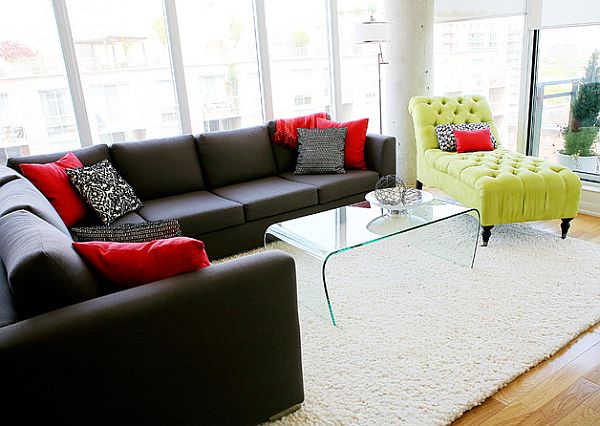
  2. Proportion and Scale: Proportion refers to the relationship between the size of objects in a space, while scale refers to the overall size of items in relation to the room itself. When choosing furniture and decor, it is essential to select pieces that fit well within the space, neither overwhelming it nor appearing too small to have an impact. For example, a large sectional couch may dominate a small living room, while a petite armchair might be lost in a vast, open-concept space.

  3. Rhythm: In the context of decorating, rhythm refers to creating a sense of movement or flow within a room. This can be achieved through repetition (such as repeating colors or patterns), progression (gradually changing sizes or tones), and contrast (placing opposing elements next to one another). A well-decorated room should lead the eye from one area to the next, creating a seamless visual journey.

  4. Emphasis: Every room should have a focal point—a central element that draws attention. This could be anything from a dramatic piece of artwork to a statement piece of furniture or even a striking fireplace. Once the focal point is established, the rest of the decor should support and enhance it without competing for attention.

  5. Harmony: Harmony is the final principle, and it’s perhaps the most important. It’s the sense that all the elements of the room come together in a way that feels cohesive and pleasing. Harmony is achieved through a careful selection of colors, textures, patterns, and shapes that complement each other. A room with harmony feels calm, balanced, and comfortable—attributes that are central to the essence of good decorating.

The Modern Approach to Decorating: Trends and Personalization

In the modern world, decorating is no longer about adhering to rigid rules or trends; it’s about personal expression and blending style with function. With the rise of social media platforms like Instagram and Pinterest, people have unprecedented access to decor inspiration, leading to an explosion of creativity in home decorating. Whether it’s the revival of mid-century modern furniture, the warm earthy tones of boho-chic interiors, or the minimalist, Scandinavian-inspired aesthetic, people are mixing and matching styles to create spaces that resonate with their individual lifestyles.

That said, some decorating trends have gained significant traction in recent years, offering insight into where the world of interior design is heading. Sustainability is one of the most prominent trends. As more people become aware of environmental concerns, there’s a growing demand for eco-friendly furniture, materials, and designs. Reclaimed wood, upcycled decor, and sustainable textiles are becoming increasingly popular, with homeowners seeking to create spaces that reflect both their personal style and their commitment to the planet.

Another trend that has shaped the modern decorating landscape is the idea of multifunctionality. In today’s fast-paced world, where spaces are often smaller and more flexible, the need for multifunctional furniture has never been greater. Pieces like modular sofas, fold-out desks, and storage ottomans are designed to make the most of limited space without compromising on style or comfort.

Additionally, the concept of biophilic design—the integration of nature into the built environment—has gained widespread popularity. Incorporating plants, natural materials, and even views of the outdoors into interior spaces fosters a sense of calm and well-being. The soothing effects of greenery, combined with the rise of indoor gardens and living walls, underscore a growing desire to connect with nature even within the confines of urban living.

Conclusion: Decorating as a Reflection of Identity and Purpose

Ultimately, decorating is more than just about arranging furniture or choosing colors; it’s a form of self-expression. A well-decorated space should feel like an extension of its inhabitants—comfortable, functional, and visually appealing. While trends come and go, the most successful decorating projects are those that blend personal tastes with a thoughtful approach to design principles. Whether you’re creating a space that is sleek and modern or cozy and eclectic, the key to decorating is understanding how different elements work together to create an environment that feels uniquely yours. So, as you embark on your next decorating endeavor, remember that the goal is not just to fill a room with furniture, but to curate a space that nurtures both the spirit and the senses.

What is your reaction?

Excited
0
Happy
0
In Love
0
Not Sure
0
Silly
0

You may also like

Comments are closed.

More in:Decorating