 By
By The most compelling interiors today steering away from cookie-cutter catalog looks share a common secret: contrast. Merging the clean lines of modern design with the soulful history of vintage pieces creates a space that feels curated, collected, and entirely unique. However, striking the perfect balance between sleek modernism and weathered antiquity can be challenging. Without a clear strategy, a room can quickly pivot from effortlessly eclectic to look like a chaotic thrift shop.
Mastering the blend of old and new requires an eye for scale, an understanding of color theory, and a willingness to let opposing styles dialogue with one another. Here is a comprehensive guide on how to seamlessly integrate vintage finds into a contemporary aesthetic.
Establishing the Foundation: The 80/20 Rule
When mixing design eras, a structural framework prevents the space from feeling overwhelming. One of the most reliable strategies used by interior designers is the 80/20 rule.
Understanding the Ratio
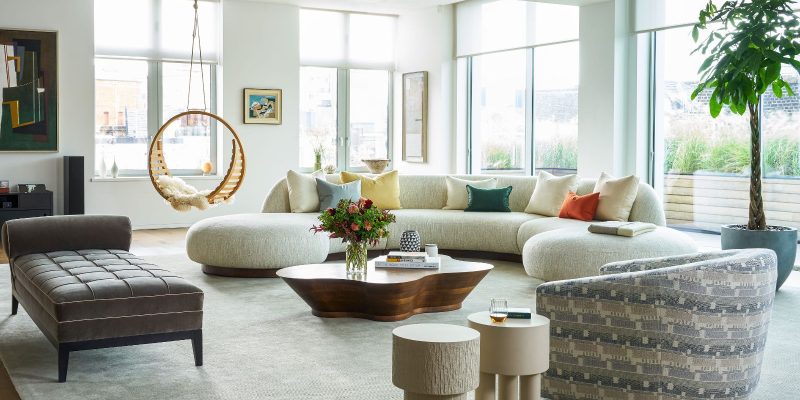
In this design formula, approximately 80 percent of the room consists of modern elements, while the remaining 20 percent is reserved for vintage accents. The modern foundation provides a clean, cohesive backdrop, allowing the vintage pieces to act as distinct focal points without cluttering the visual field.
Choosing Your Core Style
To execute this balance effectively, your large-scale investments should typically lean modern. Think streamlined sofas, crisp architectural lighting, and minimalist built-ins. These elements establish a fresh, current atmosphere. Once this foundation is secure, you can introduce the 20 percent of vintage elements, such as an antique Persian rug, a mid-century modern credenza, or an ornate gilded mirror. The stark contrast ensures that both the modern baseline and the vintage exceptions elevate one another.
Finding a Common Thread: Color, Material, and Shape
To keep a room from feeling fragmented, the disparate pieces must share a common design language. You can create a cohesive narrative by focusing on three unifying pillars: color palettes, materials, and geometric shapes.
Unifying with Color
A disciplined color palette is the easiest way to bridge the gap between different centuries. If you have a vintage armchair with an intricate frame, reupholstering it in a solid, contemporary fabric that matches your modern sofa instantly ties it into the room. Conversely, you can use a recurring accent color to connect old and new elements. A vintage oil painting featuring deep emerald green tones will feel right at home if your modern throw pillows or area rug highlight that exact shade.
Grouping by Material
Texture and material composition can create harmony across eras. For example, the warm patina of an aged walnut dining table pairs beautifully with modern black matte steel chairs because the organic warmth of the wood balances the industrial coolness of the metal. Similarly, brass elements can unite a space; a 1920s Art Deco bar cart can easily coexist with sleek, modern brass light fixtures.
Echoing Shapes and Silhouettes
Look for geometric commonalities between your pieces. If your modern sofa features clean, rounded curves, look for vintage accent tables or ceramics that echo those soft lines. If your architecture is highly linear and angular, a mid-century modern geometric sideboard will slide into the space far more naturally than an ornate, heavily carved Victorian wardrobe.
The Power of Strategic Placement
Where you position your vintage finds determines how they interact with your modern decor. Strategic juxtaposition creates visual tension, which makes a room dynamic and memorable.
Juxtaposition as a Statement
Placing an antique item directly against a hyper-modern backdrop creates an instant focal point. Consider placing an ornate, hand-carved console table directly beneath a large piece of minimalist, abstract modern art. The contrast highlights the intricate craftsmanship of the vintage piece while emphasizing the clean simplicity of the artwork.
Layering Textures on Modern Furniture
If you are hesitant to commit to large vintage furniture items, look to textiles and smaller accessories to build depth. Layer an antique textile, such as a vintage Turkish kilim or a hand-woven indigo textile, over a streamlined modern sectional. This introduces history and tactile warmth to a piece that might otherwise feel cold or sterile.
Curating Vintage Items with Intent
Decorating with vintage finds is a marathon, not a sprint. The most successful spaces are built over time through deliberate curation rather than impulsive, bulk purchases.
Prioritize Quality Over Novelty
When sourcing vintage items, look for structural integrity and high-quality craftsmanship. Solid wood furniture, dovetail joints, and hand-forged hardware are indicators of longevity. Avoid buying pieces just because they are old or inexpensive; every vintage item you introduce should serve a functional purpose or possess a silhouette that genuinely enhances the room.
Knowing When to Restore or Refinish
Not every vintage find needs to look pristine, but it should look intentional. A worn leather armchair often looks better with its natural patina intact, as it tells a story. However, a scratched wood table might benefit from a light sanding and a fresh coat of stain to bring out its natural grain. Reupholstering older chairs with modern performance fabrics is another excellent way to honor the history of a piece while adapting it for modern day-to-day living.
Balancing Lighting and Art
Lighting and artwork are the finishing touches that cement a mixed-era design scheme. They act as the connective tissue that anchors your furniture choices.
Mixing Lighting Eras
Lighting is an exceptional tool for breaking up design monotony. If your kitchen features clean, modern minimalist cabinetry and quartz countertops, hanging a pair of vintage industrial factory pendants or a mid-century glass chandelier over the island breaks up the starkness. Conversely, if you have a room filled with older, traditional furniture, adding a sleek, sculptural modern floor lamp will instantly modernize the entire vignette.
Curating the Walls
Do not feel constrained to match your art style to your furniture style. A gallery wall that mixes vintage oil portraits, botanical sketches, modern photography, and abstract prints creates a rich, sophisticated aesthetic. Pay attention to the framing; framing a vintage sketch in a sleek, thin black modern frame can instantly modernize the piece and help it blend into a contemporary space.
Frequently Asked Questions
How do I prevent my vintage items from making my home look cluttered?
Focus on negative space. Give each vintage piece room to breathe by surrounding it with clean lines and open areas. If you have an intricate vintage cabinet, keep the surface styling minimal and leave the surrounding wall space clear to avoid visual overcrowding.
What vintage design eras pair best with a minimalist modern aesthetic?
Mid-Century Modern (1950s to 1960s) and Bauhaus styles naturally complement minimalist spaces due to their shared emphasis on clean lines, functionality, and geometric simplicity. For a bolder contrast, Art Deco items offer geometric elegance that pairs beautifully with modern minimalism.
How can I tell if a vintage wood piece is worth buying or just junk?
Check the construction details. Look for heavy, solid wood construction rather than particle board or veneer. Inspect the drawers for dovetail joints, which indicate quality craftsmanship. If the piece is structurally sound but has surface scratches, it is usually worth purchasing, as surfaces can be easily restored.
Is it acceptable to mix multiple vintage eras in one modern room?
Yes, you can mix multiple eras, provided you utilize a unifying element like a consistent color palette or wood tone. Combining a 19th-century rustic bench with a 1970s chrome lamp works beautifully as long as the rest of the room maintains a clean, modern anchor to ground the variance.
How do I clean and sanitize vintage textiles before bringing them home?
For sturdy cottons or wools, a gentle hand-wash with mild detergent and line drying in the sun works wonders, as UV rays naturally deodorize. For delicate silks, intricate embroideries, or heavy rugs, it is best to take them to a professional cleaner who specializes in antique textiles to prevent shrinkage or color bleeding.
Can I use vintage outdoor items inside a modern home?
Absolutely. Bringing elements like weathered iron garden gates, stone planters, or industrial factory carts indoors adds an unexpected rustic texture. A vintage iron planter can serve as a striking holder for indoor plants against a crisp white wall.
What is the easiest vintage item for a beginner to integrate into a modern space?
A vintage mirror is the most foolproof starting point. Whether it has a heavy carved wood frame or an ornate brass finish, a vintage mirror functions like artwork. It reflects light, makes the room feel larger, and instantly adds character without disrupting existing furniture layouts.