 By
By For generations, industrial agriculture has relied heavily on synthetic chemical pesticides to shield crops from destructive insects. While these chemical interventions offer short-term solutions, they frequently disrupt local ecosystems, eradicate beneficial insect populations, and lead to soil degradation. Home gardeners and sustainable farmers alike are increasingly seeking natural, self-sustaining alternatives to maintain a healthy backyard patch.
The most effective, time-tested strategy for achieving this balance is companion planting. Far from a modern trend, companion planting is a nuanced agricultural methodology rooted in ecological science. By strategic placement of specific plant species next to one another, gardeners can create a symbiotic ecosystem where plants mutually support growth, enhance flavor, and serve as organic pest control mechanisms.
The Biological Mechanisms of Companion Planting
Companion planting is not magic; it relies on distinct chemical, physical, and biological mechanisms. Understanding how plants interact underground and in the air allows for intentional garden design that minimizes pest pressures.
Olfactory Masking and Distraction
Many destructive garden pests locate their favorite host plants using highly sensitive olfactory receptors. They track the distinct volatile organic compounds (VOCs) emitted by specific vegetables. When you plant a massive monoculture of a single crop, you create a beacon for those pests.
Companion planting disrupts this chemical trail. Strong-smelling herbs and flowers emit their own potent essential oils, which mask the scent of vulnerable crops. For example, the pungent aroma of marigolds or garlic can easily confuse a pest that would otherwise easily locate a patch of tender cabbage or tomatoes.
The Trap Crop Strategy
Another highly effective biological tactic is the deployment of trap crops. Instead of trying to repel a specific pest entirely, a gardener introduces an alternative plant that the pest finds even more appealing than the primary food crop.
The pests gather on the trap crop, sacrificing it while the main harvest remains untouched. Once the trap crop becomes heavily infested, it can be carefully removed, pruned, or managed separately, keeping the rest of the garden pristine without spraying chemicals.
Attracting Beneficial Predators
A truly pest-free garden does not actually lack insects; rather, it possesses a healthy balance of predatory insects that keep the herbivore populations in check. Certain plants act as insectaries, providing nectar and pollen for beneficial predators like ladybugs, lacewings, hoverflies, and parasitic wasps. These beneficial insects act as a natural defense force, consuming thousands of aphids, thrips, and hornworms before they can cause economic damage to the garden.
Powerful Plant Partnerships for Pest Management
Implementing companion planting requires knowledge of specific plant pairings. Here are some of the most effective, science-backed combinations for common backyard crops.
The Classic Tomato Alliances
Tomatoes are a staple of the home garden, but they are highly susceptible to pests like the tomato hornworm, aphids, and whiteflies.
-
Basil: Planting basil alongside tomatoes is a classic choice for good reason. The strong scent of basil repels thrips, hornworms, and flies. Additionally, many gardeners note that this pairing noticeably improves the flavor of the tomatoes at harvest.
-
Marigolds: French marigolds produce a distinct scent that repels whiteflies and deters root-knot nematodes in the soil through chemical secretions from their root systems.
Protecting Brassicas from Destructive Moths
Cabbage, broccoli, kale, and Brussels sprouts frequently fall victim to the imported cabbageworm and diamondback moths. These pests can skeletonize leaves in a matter of days.
-
Mint and Sage: The strong aromatic oils in mint and sage confuse the adult moths, preventing them from landing and laying eggs on the brassica leaves. Due to the aggressive spreading nature of mint, it is often best to plant it nearby in containers or keep it heavily managed.
-
Nasturtiums: Nasturtiums serve as an excellent trap crop for aphids and caterpillars. They draw the pests away from the valuable heads of broccoli and cabbage, keeping the primary crops clean.
Guarding Cucurbits and Squash
Cucumbers, pumpkins, and zucchini are notoriously plagued by squash bugs, cucumber beetles, and vine borers.
-
Radishes: Allowing radishes to grow and even go to seed around the base of squash plants has been shown to deter cucumber beetles and squash bugs.
-
Catnip and Dill: Catnip repels squash bugs effectively, while dill attracts predatory beneficial wasps that feed on the larvae of destructive beetles.
Design Strategies for a Companion-Planted Garden
Simply buying the right plants is only half the battle. To maximize the benefits of companion planting, the layout must be deliberately structured to facilitate these natural defenses.
Intercropping and Poly-Cultures
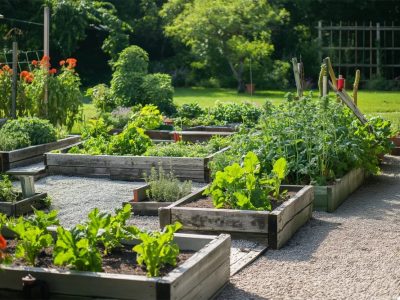
The traditional method of planting vegetables in long, uniform, single-file rows makes it incredibly easy for pests to travel from one plant to the next. Intercropping breaks up these paths by mixing different plant families within the same bed. By alternating a row of onions with a row of carrots, or interspersing lettuce among tomatoes, you create physical barriers that slow down the spread of pests and diseases.
Utilizing Vertical Layers
A well-designed garden utilizes three-dimensional space efficiently. Tall plants can provide shade and structural support for lower-growing, shade-loving varieties.
The famous Native American polyculture system known as the Three Sisters exemplifies this perfectly. Corn grows tall to provide a natural trellis for climbing beans. The beans fix nitrogen in the soil to feed the corn. Meanwhile, squash grows along the ground, its massive prickly leaves acting as a living mulch that retains soil moisture and deters crawling pests like slugs.
Summary of Key Companion Plant Functions
| Companion Plant | Primary Target Pest | Mechanism of Action | Best Paired Vegetables |
| Marigolds | Nematodes, Whiteflies | Chemical root exudates and strong masking scent | Tomatoes, Eggplants, Peppers |
| Nasturtiums | Aphids, Squash Bugs | Acts as a sacrificial trap crop and repels beetles | Squash, Cucumbers, Kale |
| Garlic & Chives | Aphids, Japanese Beetles | Intense sulfurous aroma deters feeding | Carrots, Roses, Lettuce |
| Dill | Tomato Hornworms, Aphids | Attracts predatory wasps and hoverflies | Cabbages, Broccoli, Onions |
| Borage | Tomato Hornworm | Repels pests and attracts native pollinators | Tomatoes, Strawberries, Squash |
Frequently Asked Questions
Which companion plants should never be grown close to one another?
Certain plants compete for the exact same nutrients or harbor identical diseases, making them poor neighbors. For example, potatoes and tomatoes should not be planted together because they are both members of the nightshade family and are highly susceptible to early and late blight. If one catches the disease, it will rapidly infect the other. Similarly, onions and garlic can stunt the overall growth of beans and peas by disrupting the beneficial bacteria networks those legumes rely on to fix nitrogen in the soil.
Can companion planting completely eliminate the need for hand-picking pests?
While companion planting significantly reduces pest populations and minimizes widespread damage, it rarely eradicates every single insect. It is designed to establish an ecological balance rather than create a sterile environment. Gardeners should still perform routine inspections to hand-pick larger pests like hornworms or squash bugs if a minor outbreak occurs before the predatory insect populations have fully established themselves for the season.
How many companion flowers should be integrated into a vegetable bed to see results?
There is no rigid mathematical formula, but a reliable rule of thumb is to dedicate roughly fifteen to twenty percent of your total garden bed space to companion flowers and aromatic herbs. Instead of clustering all your flowers in a single border edge, scatter them evenly throughout the vegetables. Placing a marigold or nasturtium every few feet within a row of vegetables ensures that the protective scents and trap crop properties are distributed where they are needed most.
Do perennial herbs make good companion plants for annual vegetable crops?
Perennial herbs like rosemary, thyme, and sage are fantastic at repelling pests, but they require careful placement when paired with annual vegetables. Because annual beds are frequently dug, replanted, or heavily amended every season, the established root systems of perennial herbs can be disrupted. To avoid this conflict, plant your perennial pest-repelling herbs along the permanent borders of your garden beds, or grow them nearby in dedicated containers that can be moved around as needed.
How does companion planting affect the overall flavor profile of nearby vegetables?
The relationship between companion planting and flavor is primarily driven by underground root interactions and microclimate improvements. Plants like basil and chives uptake specific nutrients and release subtle compounds into the soil that can be absorbed by neighboring plants like tomatoes. Additionally, by reducing the stress caused by pest attacks, the vegetable plants can channel more of their structural energy into sugar and fruit production, leading to a sweeter, more robust harvest.
Is it possible for a companion plant to attract too many bad insects to the garden?
This can happen if a trap crop is neglected. A trap crop like nasturtium or mustard is designed to attract pests away from your main vegetables, but if you leave those pests to multiply indefinitely, the population can eventually overflow onto your primary crops. The key to successfully using trap crops is monitoring them closely; when they become heavily populated with pests, you must prune away the infested areas or remove the trap plant entirely to break the reproductive cycle of the insects.
Does companion planting help improve the quality of the garden soil?
Yes, many companion combinations are chosen specifically for their subterranean benefits. Legumes such as peas, beans, and clover form symbiotic relationships with rhizobia bacteria in the soil to fix atmospheric nitrogen, making it available for heavy-feeding crops nearby. Deep-rooting companions like daikon radishes break up compacted clay soil, improving aeration and water infiltration, which allows the root systems of neighboring vegetables to expand freely and access deep moisture reserves.