Garden

The Art of Gardening: Essential Tips for a Thriving Garden

Gardening is both an art and a science, a rewarding pursuit that connects us with nature, fosters creativity, and provides a sanctuary for relaxation. Whether you are an experienced gardener or a newcomer to the world of plants, there is always something to learn, and every garden is a journey of discovery. A garden that thrives year-round requires a careful balance of planning, knowledge, and ongoing care. From soil preparation to pest control, each element plays a crucial role in nurturing plants that flourish. In this article, we will explore essential gardening tips that will help ensure your garden becomes a thriving, beautiful space.

1. Soil: The Foundation of Your Garden

Soil is the cornerstone of any garden. Before you plant anything, it’s important to understand what type of soil you’re working with and how to improve its health. Soil can be categorized into several types—sand, silt, clay, and loam—each affecting water drainage, nutrient retention, and root development. Loam is often considered the ideal soil for most plants because it retains moisture but also drains well.

One of the most effective ways to assess the health of your soil is through a soil test. These tests, available at garden centers or through local extension offices, will help determine the pH level, nutrient content, and organic matter in your soil. Based on the results, you can amend your soil with organic matter such as compost or manure to improve its structure and fertility. Healthy soil promotes strong plant growth and allows for better water retention and nutrient uptake, giving your plants a better chance to thrive.

2. Choose Plants Suited to Your Climate and Space

Selecting the right plants for your garden is vital for long-term success. While it’s tempting to fill your garden with an array of beautiful flowers and trees, it’s essential to consider the climate, soil, and sunlight your plants will receive. Not all plants are created equal, and each has its own specific needs.

To begin, it’s helpful to identify your hardiness zone, which is based on the lowest temperatures in your area. The USDA Hardiness Zone Map is a great tool for this, helping you select plants that will survive your local weather conditions. For example, if you live in a cooler climate, you might focus on hardy perennials such as hostas or daylilies that can survive frost and cold temperatures. On the other hand, if your region is warmer, consider plants like lavender, succulents, or citrus trees that thrive in heat.

Additionally, take note of the microclimates in your garden—areas that may receive more sunlight or be more sheltered from the wind. Shadier spots might be ideal for ferns or astilbes, while sunnier areas can support vegetables, herbs, or sun-loving flowers like sunflowers or daisies. By choosing plants that are suited to your specific conditions, you can ensure they will grow more easily and require less intervention.

3. Watering: The Right Amount at the Right Time

Watering is one of the most common gardening challenges, as it is easy to either overwater or underwater your plants. Consistent, deep watering is key to ensuring plants develop strong root systems and grow healthily. Shallow watering can lead to weak root systems that are vulnerable to drought.

The best time to water is early in the morning or late in the evening, when the temperatures are cooler. This minimizes evaporation and allows the water to penetrate deeply into the soil, where roots can access it. Watering in the middle of the day, when the sun is strongest, can result in a significant loss of water to evaporation, and watering late in the evening can leave plants damp overnight, increasing the risk of fungal diseases.

Drip irrigation systems and soaker hoses are effective tools for providing water directly to the base of plants, which helps prevent water from evaporating or running off. Additionally, mulching around plants helps retain moisture by providing a barrier between the soil and the atmosphere. Organic mulch such as wood chips, straw, or grass clippings also helps prevent weeds from taking hold.

4. Pruning and Deadheading: Encouraging New Growth

Pruning and deadheading are essential tasks in maintaining a healthy garden. While pruning is often associated with trees and shrubs, it’s equally important for flowers and vegetables. Regular pruning encourages healthy growth, prevents the spread of disease, and enhances the overall appearance of your plants.

For shrubs and trees, prune during the dormant season, typically in late winter or early spring, to remove dead or damaged branches and shape the plant. This allows the plant to focus its energy on new growth once the growing season begins. For flowering plants, deadheading—removing spent flowers—helps redirect energy into producing more blooms rather than seeds. Deadheading also keeps your garden looking neat and tidy.

In addition to pruning, it’s a good idea to thin out crowded plants to improve airflow and sunlight penetration. This is particularly important for vegetable gardens, where excessive foliage can lead to poor fruit production and a higher risk of disease.

5. Fertilizing: Providing Essential Nutrients

Just as humans need a balanced diet, plants also require a range of nutrients to grow. Fertilizing your garden regularly ensures that your plants receive the necessary nutrients for optimal growth. There are two main types of fertilizers: organic and synthetic.

Organic fertilizers, such as compost, manure, or bone meal, enrich the soil over time, providing nutrients slowly and improving its structure. These are often the best option for gardeners seeking a sustainable, eco-friendly approach. Synthetic fertilizers, on the other hand, offer quick results and are formulated to meet specific nutrient needs. However, they can sometimes lead to nutrient imbalances or damage to the soil structure if overused.

When applying fertilizer, it’s important to follow the manufacturer’s instructions and avoid overfeeding your plants. Over-fertilizing can cause plants to become leggy or overly dependent on external nutrients, weakening their natural ability to thrive. Fertilizing in the spring, when plants are beginning to grow, and again mid-season can help boost growth and ensure plants receive adequate nutrients.

6. Pest Control: Protecting Your Garden Naturally

A healthy garden attracts its share of pests, but that doesn’t mean you have to resort to harsh chemical pesticides. In fact, overusing chemicals can harm beneficial insects, like bees and ladybugs, that are essential for pollination and controlling pest populations.

The first step in pest control is prevention. By maintaining a clean garden, removing dead plant matter, and avoiding overcrowding, you can reduce the chances of pests setting up shop. Additionally, many gardeners turn to organic pest control methods, such as neem oil, insecticidal soap, or diatomaceous earth, to combat harmful bugs.

Introducing beneficial insects, such as ladybugs, lacewings, and predatory beetles, is another effective strategy for controlling pests naturally. These insects help keep aphids, mites, and other common pests in check. You can also attract birds, who will happily feast on insects in your garden.

Lastly, companion planting is a technique that involves growing certain plants together to naturally repel pests. For example, planting basil near tomatoes can help deter aphids, while marigolds can help keep nematodes away from your vegetables.

7. Seasonal Care: Preparing Your Garden Year-Round

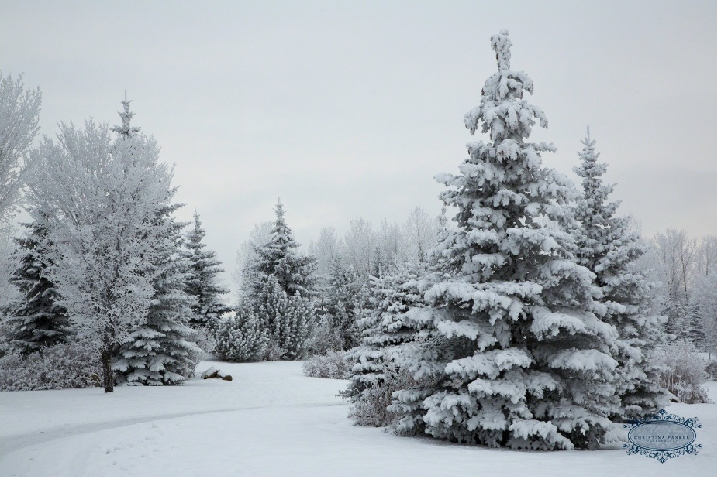
Gardening isn’t a task that ends when the growing season does. Each season brings new challenges and opportunities for care. In the fall, focus on preparing your garden for winter by cleaning up fallen leaves and debris, adding mulch to protect your plants from the cold, and planting fall crops like kale, spinach, and garlic.

In the winter months, focus on maintaining your garden tools, reviewing your gardening plans for the upcoming season, and considering ways to improve soil health for next spring. Spring is the ideal time for planting new crops, fertilizing, and starting your seeds indoors, while summer is a busy time for weeding, watering, and maintaining your plants.

By paying attention to the needs of your garden throughout the year, you can ensure that it remains healthy, vibrant, and productive.

Conclusion

Gardening is a delightful, rewarding pursuit that offers an opportunity to connect with nature, enjoy the outdoors, and create something beautiful. However, the key to a thriving garden lies in the care and attention you give it. By focusing on proper soil preparation, choosing the right plants for your space, watering efficiently, and providing ongoing care through pruning, fertilizing, and pest control, you can cultivate a garden that flourishes season after season. Gardening is not just about the end result, but about the ongoing process of nurturing life, learning, and enjoying the serenity of your own outdoor sanctuary. With these tips in mind, you are well on your way to creating a lush, thriving garden that brings joy and beauty for years to come.

What is your reaction?

Excited
0
Happy
0
In Love
0
Not Sure
0
Silly
0

You may also like

Comments are closed.

More in:Garden