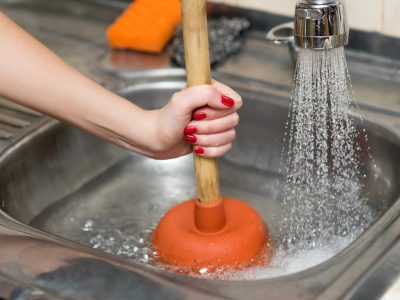
Plumbing

The Art and Science of Plumbing: Ensuring Functionality and Comfort in Our Daily Lives

Plumbing, often considered one of the unseen but indispensable components of modern life, plays a critical role in the functionality, health, and comfort of our homes and buildings. It is a complex system that ensures the delivery of clean water, the removal of waste, and the regulation of temperature and pressure in various systems, from water heaters to radiant floor heating. Despite being a field that rarely garners the spotlight, plumbing is a cornerstone of our daily existence, integral to public health, environmental sustainability, and the smooth operation of modern society.

At its core, plumbing is both an art and a science. It requires a mastery of the materials, tools, and systems that bring water to where it’s needed and take away what is no longer necessary. The modern plumber is a craftsman and technician, a professional whose expertise ensures that our water flows freely, that our drains stay clear, and that our homes remain safe and comfortable. This article aims to explore the history, essential components, and modern advancements in plumbing while highlighting its pivotal role in the functioning of our daily lives.

The Evolution of Plumbing: From Ancient Beginnings to Modern Mastery

The origins of plumbing can be traced back thousands of years, with some of the earliest evidence of plumbing systems found in ancient civilizations such as the Indus Valley, Mesopotamia, and Ancient Egypt. The need for efficient water management likely arose out of necessity as these early societies began to grow and develop urban areas. In these ancient cities, complex systems of aqueducts, cisterns, and drains were constructed to provide clean water and remove waste. In fact, the word “plumbing” itself comes from the Latin word “plumbum,” meaning lead, due to the use of lead pipes in Roman plumbing systems.

While the Roman Empire is often lauded for its advanced plumbing systems, it was not until the late 19th century that plumbing, as we know it today, began to take shape. The industrial revolution brought about major advancements in materials, such as the development of copper and iron pipes, which replaced the lead pipes used by the Romans. Additionally, the advent of modern sanitation systems in the late 1800s, including the invention of the flush toilet and the widespread implementation of sewer systems, dramatically improved public health by reducing the spread of waterborne diseases.

In the 20th century, plumbing became increasingly sophisticated. The introduction of water treatment plants, modern piping materials like PVC and PEX, and innovative technologies such as tankless water heaters and water filtration systems reshaped the way we think about water in our homes and cities. Today, plumbing systems are often integrated with smart home technologies, allowing homeowners to monitor and control water usage, detect leaks, and regulate temperature with the touch of a button.

Key Components of Plumbing Systems: How Water Flows and Waste Is Managed

A plumbing system is a network of interconnected components, each designed to perform a specific function. Understanding these key components is essential to appreciating the complexity of plumbing and the role it plays in our daily lives.

  1. Pipes and Fittings: The backbone of any plumbing system, pipes transport water to and from various fixtures and appliances throughout a building. Different materials are used for different purposes. Copper, for example, is often used for water supply lines due to its durability and resistance to corrosion, while PVC and PEX pipes are commonly used for drains and waste lines. Fittings—such as elbows, tees, and couplings—are used to connect and redirect pipes to ensure water flows efficiently throughout the system.

  2. Water Supply System: The water supply system delivers fresh, potable water from a municipal water source or a private well into a building. This system includes water meters, pressure regulators, and the main shut-off valve, which controls the flow of water into the building. The supply system branches off into smaller pipes that lead to sinks, showers, toilets, and appliances like dishwashers and washing machines.

  3. Drainage and Waste Removal: The drainage system is responsible for removing wastewater from the building and carrying it to the sewer or septic system. Drainage pipes are typically larger in diameter than water supply pipes and include vent pipes to prevent the buildup of dangerous gases. Properly functioning drains are crucial in maintaining hygiene and preventing the growth of harmful bacteria or mold in the home.

  4. Traps and Cleanouts: Traps are U-shaped bends in pipes designed to hold a small amount of water, which creates a seal that prevents foul odors and gases from entering the living space. Cleanouts, on the other hand, are access points in the plumbing system that allow plumbers to clear clogs or blockages. These components work together to ensure the plumbing system remains free from unpleasant odors and functioning smoothly.

  5. Water Heating Systems: Water heaters are an essential part of modern plumbing, providing hot water for bathing, cooking, and cleaning. There are various types of water heaters, including traditional tank water heaters, which store and heat water in a large tank, and more energy-efficient tankless water heaters, which heat water on demand. The choice of water heating system can significantly impact a household’s energy consumption and overall water usage.

  6. Fixtures and Appliances: Fixtures like sinks, faucets, showers, and toilets are the visible components of a plumbing system. These are the elements most people interact with on a daily basis, and their design and functionality have a direct impact on comfort and convenience. In addition to basic plumbing fixtures, many modern homes are equipped with appliances such as dishwashers, washing machines, and refrigerators with water dispensers, all of which require plumbing connections to operate.

Modern Plumbing Challenges: Sustainability and Technology

In today’s world, plumbing is increasingly intertwined with concerns about sustainability and environmental impact. As the global population grows and water resources become more strained, there is a growing emphasis on water conservation and the efficient use of plumbing systems. High-efficiency toilets, low-flow showerheads, and faucet aerators are just a few examples of how plumbing technology has evolved to reduce water consumption without sacrificing performance.

Smart plumbing systems are also making waves in the industry. These systems allow homeowners to monitor water usage in real time, detect leaks before they cause extensive damage, and even automate water temperature settings to ensure optimal comfort and energy savings. In addition, the rise of greywater recycling systems, which treat and reuse water from sinks, showers, and laundry, has provided a new way for homes and businesses to reduce their environmental footprint.

Another significant challenge in modern plumbing is the management of aging infrastructure. In many cities, plumbing systems that were installed decades ago are showing signs of wear and tear. Corroded pipes, lead-based materials, and outdated sewer systems pose significant risks to public health and the environment. Replacing these aging systems is a massive undertaking, requiring a combination of innovation, investment, and collaboration between governments, engineers, and plumbers.

The Importance of Professional Plumbing Services

While DIY plumbing projects may seem appealing to homeowners, plumbing is a highly specialized field that demands technical expertise and experience. A mistake in installation or repair can lead to costly damage, water wastage, or health hazards. Professional plumbers are trained to understand the intricacies of plumbing systems, from diagnosing leaks to installing complex systems with precision.

Additionally, plumbers have access to the latest tools and technologies, allowing them to complete repairs and installations more efficiently and safely. Regular maintenance from a licensed plumber can also extend the lifespan of plumbing systems and prevent major issues from arising.

Conclusion: The Undervalued yet Essential Role of Plumbing

Plumbing is a critical element of modern life, providing the basic services that most of us take for granted. From delivering clean water to maintaining sanitation and managing waste, plumbing ensures the smooth operation of our daily routines and protects our health. As technology continues to advance, plumbing will undoubtedly evolve, offering smarter, more sustainable solutions to meet the growing demands of modern society. The next time you turn on the tap or flush the toilet, take a moment to appreciate the invisible work that plumbing does to keep your home functioning—quietly, efficiently, and reliably.

What is your reaction?

Excited
0
Happy
0
In Love
0
Not Sure
0
Silly
0

You may also like

Comments are closed.