Home

How to Safely Use Pesticides at Home

Pesticides can be a useful tool in managing pest problems at home, but they must be used with care to ensure the safety of your family, pets, and the environment. Understanding how to properly select, apply, and store pesticides is crucial for minimizing risks and maximizing effectiveness. This comprehensive guide will walk you through the essential steps for safely using pesticides in your home.

Understanding Pesticides

Pesticides are chemical substances designed to control pests, including insects, weeds, fungi, and rodents. They come in various forms, such as sprays, powders, and granules, and each type serves a specific purpose. It’s important to read labels carefully to understand what the pesticide targets and how it should be used.

Types of Pesticides

  1. Insecticides: Target insects, including ants, cockroaches, and mosquitoes.
  2. Herbicides: Used to control unwanted plants or weeds.
  3. Fungicides: Designed to combat mold and fungi.
  4. Rodenticides: Target rodents such as mice and rats.

Choosing the Right Pesticide

Selecting the appropriate pesticide is the first step toward effective pest control. Before purchasing, consider the following:

  • Identify the Pest: Correctly identifying the pest is essential for choosing the right pesticide. Misidentification can lead to ineffective treatment and unnecessary chemical exposure.
  • Research: Look for pesticides that specifically target the identified pest. Avoid broad-spectrum products if a targeted solution is available, as these can harm beneficial organisms.
  • Read the Label: The label provides vital information about the pesticide, including active ingredients, usage instructions, safety precautions, and first aid measures.

Safety Precautions Before Application

Prior to applying any pesticide, ensure that you take the necessary safety precautions:

1. Personal Protective Equipment (PPE)

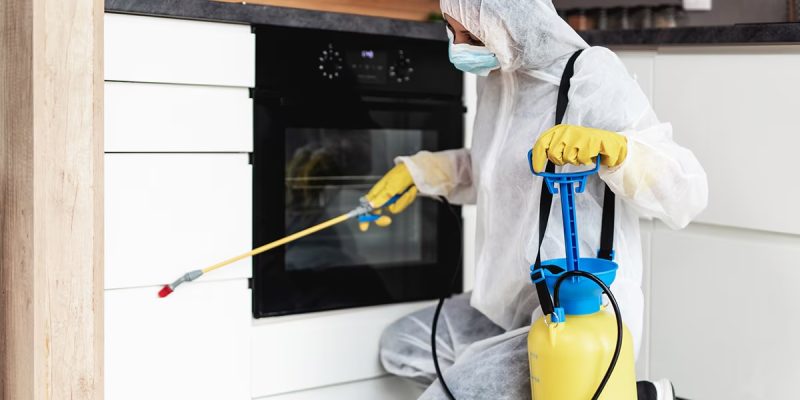
Wearing appropriate PPE can significantly reduce your risk of exposure to harmful chemicals. Recommended gear includes:

  • Gloves: Protect your hands from direct contact with pesticides.
  • Mask: A mask can prevent inhalation of fumes or particles.
  • Goggles: Eye protection is essential, especially when spraying pesticides.
  • Long Sleeves and Pants: Wear long clothing to minimize skin exposure.

2. Read the Instructions

Thoroughly read and understand the pesticide label before use. This includes information on dilution rates, application methods, and safety recommendations. Following the manufacturer’s instructions is crucial for ensuring effectiveness and safety.

3. Choose the Right Weather Conditions

Pesticides should ideally be applied when the weather is calm—ideally, on a dry, windless day. Avoid applying pesticides before rain or heavy wind, as these conditions can cause drift, leading to unintended exposure to people, pets, or beneficial insects.

Application Techniques

How you apply pesticides is just as important as the product you choose. Here are some effective application techniques:

1. Spot Treatment

For minor pest issues, consider spot treatments rather than whole-area applications. This approach minimizes chemical use and reduces risks to non-target organisms. Use a small spray bottle or applicator to target specific areas where pests are present.

2. Follow Proper Dosage

Always adhere to the recommended dosage on the pesticide label. Using more than the recommended amount can increase the risk of harm to humans, pets, and beneficial insects, while not necessarily improving efficacy.

3. Use Safe Application Tools

Choose appropriate tools for application. For example, use a hand sprayer or aerosol can for small areas, and a backpack sprayer for larger spaces. Ensure that all equipment is clean and in good working condition to avoid leaks or spills.

After Application: Clean-Up and Storage

Once you have applied the pesticide, the next steps are equally important.

1. Clean Up Thoroughly

After using pesticides, clean your application equipment and any surfaces that may have come into contact with the chemicals. Use soap and water to remove residue from sprayers and brushes, and dispose of any used containers as per local regulations.

2. Ventilate the Area

If you applied pesticides indoors, ensure proper ventilation by opening windows and doors. This helps dissipate fumes and reduces exposure to potentially harmful chemicals.

3. Store Pesticides Safely

Proper storage is crucial to prevent accidental exposure and contamination. Follow these guidelines:

  • Keep Pesticides Out of Reach: Store pesticides in a locked cabinet or high shelf, away from children and pets.
  • Check the Label: Ensure that the storage conditions specified on the label are met (e.g., temperature requirements).
  • Avoid Mixing with Other Chemicals: Store pesticides separately from other household chemicals to prevent dangerous reactions.

Alternatives to Chemical Pesticides

While pesticides can be effective, exploring alternative pest control methods can reduce chemical use and environmental impact. Consider these options:

  • Natural Predators: Introduce beneficial insects, such as ladybugs, to control pest populations.
  • Traps: Use traps for specific pests like rodents or insects. This method minimizes chemical exposure.
  • Cultural Practices: Implement good gardening practices, such as crop rotation and companion planting, to deter pests naturally.

Conclusion

Using pesticides safely at home is essential for protecting your health, your family, and the environment. By selecting the right products, adhering to safety precautions, and following proper application techniques, you can effectively manage pests while minimizing risks. Always stay informed about alternative pest control methods that align with your values and promote a healthier living space. By doing so, you can enjoy a pest-free home without compromising safety.

What is your reaction?

Excited
0
Happy
0
In Love
0
Not Sure
0
Silly
0

You may also like

Comments are closed.

More in:Home