 By
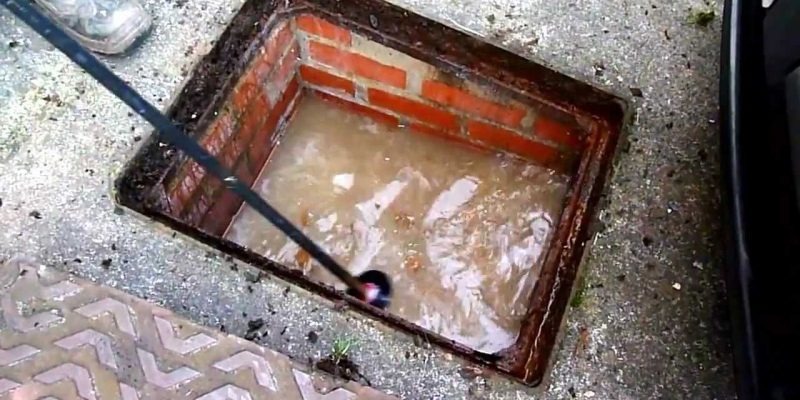
By Blocked outdoor drains can lead to a myriad of problems, from unsightly puddles and unpleasant odors to potential flooding and property damage. While the issue may seem daunting, addressing a blocked drain does not have to be a complex or costly endeavor. Understanding the causes of blockages, such as debris accumulation, tree roots, or grease buildup, is the first step in devising effective solutions. In this article, we will explore a variety of methods and techniques for unblocking outside drains, ranging from simple DIY approaches to more advanced interventions suitable for stubborn clogs. We will also highlight essential tools and safety precautions to ensure a successful and efficient process. Whether you are a homeowner facing drainage issues or a property manager responsible for maintaining outdoor facilities, our comprehensive guide will equip you with the knowledge and skills necessary to restore proper drainage flow. By following these recommended strategies, you can effectively tackle blockages, protect your property from water-related problems, and ensure that your outdoor spaces remain safe and functional. Let’s delve into the practical solutions that will help you regain control over your outdoor drainage systems.
Identify the cause of blockage effectively.
To address a blockage in an outside drain, it is crucial to first determine the underlying cause, as this significantly influences the appropriate method for unblocking it. Common culprits include accumulated debris such as leaves, mud, and waste, which can obstruct water flow and lead to overflowing. Other potential causes may involve root intrusion from nearby plants or structural issues within the drainage system itself. Conducting a thorough inspection can unveil these factors, often requiring tools like a drain camera for a clear view of the interior of the pipes.
Once the source of the blockage has been accurately identified, it becomes easier to select the right approach for remediation. For instance, if the blockage is due to debris, a simple method like using a drain snake or high-pressure water jetting may suffice. Conversely, if roots are the issue, more specialized techniques, such as rooters or chemical treatments, might be necessary. Understanding how to unblock outside drains effectively hinges on this initial diagnostic phase, ensuring that the chosen solution addresses the specific problem encountered.
Use a plumber’s snake for deep clogs.
In instances where blockages extend beyond the reach of standard methods, employing a plumber’s snake can be an effective strategy for addressing deep clogs. This tool operates by navigating through the plumbing system to reach obstructions that are otherwise inaccessible, allowing for a more thorough cleaning of the pipes. The coiled design of the snake enables it to break apart stubborn debris or entangle and extract foreign objects that may be causing the blockage, ultimately restoring proper flow and function to the drain.
When considering how to unblock an outside drain using a plumber’s snake, it is essential to choose the appropriate type based on the severity of the clog. A manual snake can be effective for lighter blockages, while a powered version may be necessary for more persistent issues. Utilizing this method not only helps to clear the blockage but can also prevent future drainage problems by ensuring that the pipes are free of buildup and other impediments.
Try hot water and detergent solution.
Another practical approach for addressing clogs involves the use of a hot water and detergent solution. This method leverages the ability of heat to dissolve grease and other organic materials that may be causing the blockage. By mixing hot water with a suitable detergent, you create a solution that can penetrate and break down thick substances within the drain. Pouring this mixture slowly into the affected area allows it to work its way through the pipes, effectively loosening the clog over time.
When implementing this technique, it is crucial to ensure that the water is not boiling, as extreme temperatures can damage certain types of plumbing materials. Instead, hot water should be just below boiling point for optimal effectiveness. By understanding how to unblock an outside drain with this simple yet effective solution, homeowners can often resolve minor issues without the need for professional intervention, promoting better maintenance and longevity of their drainage systems.
Employ a wet/dry vacuum for debris.
Utilizing a wet/dry vacuum can be particularly beneficial when dealing with debris accumulation that obstructs drainage. This versatile tool is designed to handle both liquid and solid waste, making it an ideal choice for effectively removing clogs in outdoor drains. By creating a powerful suction, the vacuum can extract leaves, mud, and other materials that may be impeding the flow of water. When using a wet/dry vacuum, it is important to seal the hose securely to the drain opening to maximize suction and prevent debris from escaping.
Before initiating the vacuuming process, ensure that any standing water is also managed, as this can hinder the vacuum’s efficiency. In some cases, it may be helpful to use the vacuum’s blower function to dislodge stubborn debris from the drain. This method not only aids in clearing blockages but also helps with ongoing maintenance, as regular use can prevent future issues from arising. Understanding how to unblock an outside drain with a wet/dry vacuum empowers homeowners to tackle their drainage problems proactively and effectively.
Regular maintenance prevents future drain issues.
Maintaining outdoor drainage systems is essential for preventing future blockages and ensuring optimal water flow. Scheduled inspections and cleanings can help identify potential problem areas before they escalate into significant issues. By routinely checking for debris accumulation, such as leaves and sediment, homeowners can take proactive measures to mitigate the risk of clogs. Implementing a regular maintenance routine allows for the timely removal of obstructions, reducing the likelihood of emergency interventions.
In addition to physical inspections, employing preventive products, such as drain covers or filters, can further safeguard against debris buildup. These simple additions serve as barriers, capturing materials that could otherwise lead to blockages. An effective maintenance strategy not only aids in understanding how to unblock outside drain systems when issues arise but also promotes long-term functionality, ultimately saving time and resources.
In conclusion, effectively unblocking an outside drain is essential for maintaining the integrity of your drainage system and preventing potential property damage. By employing a combination of techniques such as using a plunger, a plumber’s snake, or high-pressure water jets, homeowners can address minor clogs with relative ease. For more severe blockages, it may be prudent to consult a professional to ensure a thorough and safe resolution. Regular maintenance and preventative measures can also contribute to minimizing future drainage issues. By staying proactive, you can safeguard your property and ensure your outdoor drainage system functions efficiently for years to come.