 By
By An air conditioner that fails to cool effectively can be a source of discomfort and frustration, particularly during hot weather. Fortunately, many issues can be identified and resolved with systematic troubleshooting. This guide walks through the common causes of inadequate cooling and practical steps to restore your air conditioner’s performance.
1. Check the Thermostat Settings
Start by ensuring that the thermostat is set correctly. Even small misadjustments can prevent the system from functioning as expected.
- Verify the Mode: Confirm that the thermostat is set to “cool” rather than “heat” or “fan only.”
- Set the Temperature: Ensure the target temperature is below the current room temperature.
- Inspect the Batteries: If the thermostat operates on batteries, replace them to rule out power issues.
These preliminary checks can often resolve the problem without further intervention.
2. Inspect the Air Filter
A clogged or dirty air filter is a frequent culprit behind diminished cooling. Filters trap dust and debris, but over time, accumulation can restrict airflow.
- Locate the Filter: Filters are usually found behind the return air grille, within the air handler, or inside the furnace.
- Clean or Replace: If the filter appears dirty, either clean it (if reusable) or replace it with a new one. Most filters require attention every 1–3 months, depending on usage and air quality.
Maintaining a clean filter not only enhances cooling efficiency but also protects the system from undue strain.
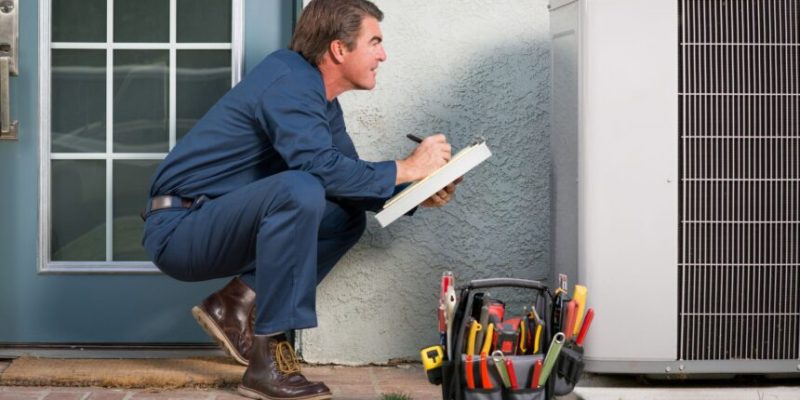
3. Examine the Outdoor Unit
The outdoor unit, or condenser, plays a critical role in the cooling process. If it becomes obstructed or dirty, the system cannot dissipate heat effectively.
- Clear Debris: Remove leaves, grass, or other debris that may be blocking airflow around the condenser.
- Clean the Fins: Use a gentle stream of water or a fin comb to clean the metal fins, ensuring they remain straight and unobstructed.
- Provide Clearance: Ensure there is at least two feet of open space around the unit for optimal ventilation.
These steps help maintain the efficiency of the outdoor unit and support effective cooling.
4. Check the Refrigerant Levels
Low refrigerant levels can significantly impair cooling performance. This issue often arises from leaks, which should be addressed promptly by a professional.
- Signs of Low Refrigerant: Common indicators include reduced cooling capacity, ice buildup on the evaporator coil, and hissing noises near the refrigerant lines.
- Do Not Attempt DIY Repairs: Handling refrigerant requires specialized equipment and certification. Contact a licensed technician to inspect and refill the system if necessary.
Maintaining proper refrigerant levels ensures the air conditioner operates efficiently and avoids further damage.
5. Inspect the Ductwork
Leaky or poorly insulated ducts can cause cooled air to escape before reaching your living space. This not only reduces efficiency but also wastes energy.
- Look for Visible Damage: Check ducts for gaps, loose connections, or visible holes.
- Seal Leaks: Use mastic sealant or metal tape (not duct tape) to seal any leaks.
- Consider Professional Testing: If the issue persists, hire a professional to perform a pressure test and identify hidden leaks.
Properly sealed ducts ensure that cooled air reaches its intended destination without loss.
6. Monitor the Evaporator Coil
The evaporator coil inside the air handler absorbs heat from indoor air. If it becomes dirty or frozen, cooling efficiency can plummet.
- Inspect for Dirt: Dirty coils can be cleaned with a soft brush or coil cleaner.
- Check for Ice Buildup: Ice on the coil often signals restricted airflow or low refrigerant levels.
- Turn Off the System: If ice is present, switch off the air conditioner and let the ice melt before investigating further.
Keeping the coil clean and clear ensures optimal heat absorption and system performance.
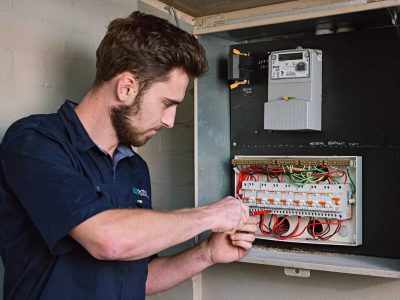
7. Verify the Circuit Breakers and Power Supply
Sometimes, the problem lies not with the air conditioner itself but with the electrical components powering it.
- Check the Circuit Breaker: A tripped breaker can cut power to the system. Reset it if necessary, but seek professional help if it trips repeatedly.
- Inspect Power Connections: Ensure the air conditioner is securely plugged in and receiving power.
Addressing power-related issues can quickly restore the system’s functionality.
8. Ensure Proper System Sizing
An air conditioner that is too small for your space may struggle to cool effectively, while an oversized system can lead to uneven temperatures and frequent cycling.
- Evaluate the Size: If cooling issues persist despite proper maintenance, consult a professional to assess whether your system is appropriately sized for your home.
- Upgrade If Needed: Installing a correctly sized unit ensures balanced cooling and optimal efficiency.
Proper system sizing plays a fundamental role in achieving consistent comfort.
9. Address Sensor Issues
Air conditioners rely on sensors to monitor temperature and adjust performance accordingly. If these sensors malfunction, the system may not cool as expected.
- Check Sensor Placement: Ensure the thermostat sensor is not exposed to direct sunlight or heat sources, which can distort readings.
- Recalibrate If Necessary: Consult the user manual to recalibrate the sensor or thermostat, or seek professional assistance.
Accurate sensors are essential for maintaining precise and reliable cooling.
10. Regular Professional Maintenance
While many issues can be resolved independently, professional maintenance remains a key aspect of air conditioner care.
- Annual Tune-Ups: Schedule an inspection and service at least once a year to ensure all components are functioning optimally.
- Comprehensive Checks: Technicians can identify and address issues such as worn parts, refrigerant leaks, or airflow obstructions before they escalate.
Regular professional attention prolongs the lifespan of your air conditioner and prevents unexpected breakdowns.
Restoring an air conditioner that won’t cool properly often involves a blend of basic maintenance and professional intervention. By systematically addressing these areas, you can not only resolve immediate issues but also ensure lasting comfort and efficiency. Proper care transforms your air conditioning system into a reliable ally, keeping your home cool and inviting throughout the seasons.