 By
By Building a home is an exciting yet complex process, one that requires attention to detail, careful planning, and skilled execution. However, even the most well-intentioned homeowners can make mistakes that lead to delays, additional costs, and compromises on the quality of the final product. While the challenges of home construction are inevitable, many of these mistakes can be avoided with proper foresight and a clear understanding of the construction process. In this article, we will explore the most common mistakes in home construction and how to avoid them, ensuring your dream home becomes a reality without unnecessary setbacks.
1. Lack of Detailed Planning
The most significant mistake that many homeowners make when starting a construction project is not investing enough time in detailed planning. A rushed or incomplete planning phase can lead to a host of problems during the construction process, from design flaws to budget overruns.
Solution: Thorough Pre-Construction Planning
Before breaking ground, take the time to outline your vision clearly and in detail. This includes selecting an architect or designer who can translate your ideas into workable plans that adhere to local building codes and regulations. Additionally, consider the future functionality of the space. Ensure the layout works for your lifestyle, thinking ahead to how your needs might change over time. Working with an experienced project manager to create a comprehensive timeline and budget will also help prevent costly mistakes later.
2. Ignoring the Importance of a Solid Foundation
The foundation of a home is its most critical structural component. Unfortunately, many homeowners fail to fully appreciate its importance until issues arise, such as cracking walls, shifting floors, or water damage. Choosing the wrong foundation type or skimping on quality can result in expensive repairs in the future.
Solution: Invest in a Strong, Appropriate Foundation
Ensure that the foundation is designed to meet the specific requirements of your home’s location and soil conditions. Consult with a structural engineer who can assess the land and recommend the best foundation type for your home, whether that’s a slab, crawl space, or full basement. Proper excavation and pouring of the foundation should never be rushed. Always hire experienced contractors who specialize in foundation work to ensure the job is done correctly.
3. Underestimating Costs and Overrunning Budget
Home construction projects often go over budget due to underestimating costs, unforeseen complications, and poor financial management. Homeowners may neglect to factor in additional costs for permits, inspections, design changes, or materials, leading to financial strain down the line.
Solution: Set a Realistic Budget and Build in Contingency
Work with an experienced contractor and financial advisor to establish a clear, detailed budget that includes all aspects of the project. Set aside a contingency fund of at least 10-15% of the total project cost to cover any unforeseen expenses. It’s also a good idea to get multiple bids from contractors to compare prices and avoid overpaying for services or materials.
4. Neglecting to Obtain Necessary Permits
Skipping or neglecting the necessary permits and inspections is a costly mistake that can lead to delays and legal issues. Not only does this jeopardize the safety of the structure, but failing to obtain permits can also result in fines or even the need to undo certain aspects of the work.
Solution: Secure Permits and Follow Local Regulations
Before beginning construction, ensure that you have the proper permits for your specific project. Consult with local authorities or your contractor to understand what documentation is required, whether for electrical, plumbing, structural changes, or exterior work. Working with a contractor who is well-versed in local building codes will help ensure that all necessary paperwork is filed and inspections are scheduled throughout the process.
5. Choosing Unreliable or Inexperienced Contractors
Selecting the wrong contractors can result in delays, subpar workmanship, and inflated costs. Often, homeowners hire based on the lowest bid or personal recommendations without thoroughly vetting the contractor’s qualifications or reputation.
Solution: Vet Contractors Thoroughly
Take the time to research potential contractors before hiring them. Verify their credentials, such as licensing, insurance, and bonding, to ensure they meet local requirements. Check reviews, ask for references, and view examples of their previous work. Don’t hesitate to ask about their experience with your specific type of project and ensure they are capable of delivering the quality you expect.
6. Skipping Site Preparation
Site preparation might seem like a minor task compared to the actual construction, but neglecting it can cause significant problems later on. Issues such as poor drainage, improper grading, and unlevel ground can affect the structure and foundation of the home.
Solution: Thorough Site Assessment and Preparation
Before beginning construction, have the site assessed by a professional to evaluate soil quality, drainage, and any potential obstacles, such as trees or rock formations. This will inform decisions about excavation, grading, and foundation work. Proper site preparation is crucial for preventing water damage, foundation issues, and long-term maintenance problems.
7. Overlooking Energy Efficiency
In today’s world, energy efficiency is not just a luxury—it’s a necessity. Failing to incorporate sustainable and energy-efficient design features can result in higher utility costs and a less comfortable living environment. From insulation to lighting, every aspect of the home should contribute to minimizing energy consumption.
Solution: Prioritize Energy Efficiency from the Start
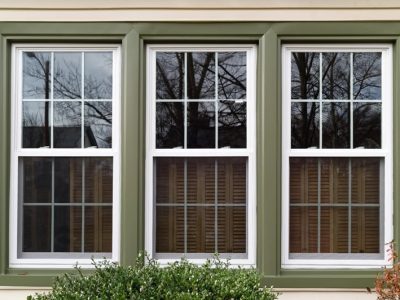
During the planning stage, make energy efficiency a priority. This includes selecting high-quality insulation, energy-efficient windows, and appliances that help reduce energy consumption. Consider implementing renewable energy sources such as solar panels or incorporating passive design strategies like natural ventilation. In addition to reducing energy costs, these features will also make your home more environmentally friendly.
8. Overcomplicating the Design
While it’s natural to want a home that’s unique and reflects your personal style, overly complex designs can lead to cost overruns, longer construction times, and potential structural problems. Overcomplicated features such as intricate roofing designs, excessive detailing, or unconventional layouts can cause difficulties for contractors and increase costs.
Solution: Keep the Design Practical and Simple
While custom designs are desirable, consider working with an architect who can create a balance between aesthetic appeal and practicality. Opt for designs that are simple yet elegant, focusing on functionality and ease of construction. Simple design choices often lead to a faster build time and fewer complications during the construction process.
9. Failing to Communicate Effectively
Poor communication with contractors, suppliers, or other stakeholders can lead to misunderstandings, delays, and mistakes on the job site. Whether it’s a lack of clarity on design decisions or missing materials, ineffective communication can throw the entire project off track.
Solution: Maintain Open Communication
Establish clear communication channels from the outset and ensure that all parties involved are on the same page. Hold regular meetings with contractors, review progress, and address any concerns promptly. Having a designated project manager or coordinator can also help streamline communication and prevent issues before they escalate.
10. Neglecting Future Expansion or Maintenance
Home construction is about creating a lasting space that will adapt to your needs over time. Many homeowners fail to consider future expansion, whether it’s additional rooms, storage, or upgrades to accommodate growing families or changing lifestyles.
Solution: Plan for the Future
When designing your home, consider the potential for future additions or modifications. Leave space for expansion, such as additional rooms or storage areas, and think about future needs such as aging in place or accommodating a larger family. This foresight will save you from costly and disruptive renovations in the future.
Final Thoughts
Building a home is a rewarding experience, but it comes with its fair share of challenges. By avoiding these common mistakes and approaching the project with careful planning, attention to detail, and the right team of professionals, you can ensure that your home construction project goes smoothly, stays within budget, and ultimately results in the home of your dreams.