 By
By Maintaining the cladding on your building is essential for preserving its structural integrity, energy efficiency, and overall aesthetic appeal. Whether your building features metal, timber, or composite cladding, a well-thought-out maintenance plan can save you from costly repairs down the line. If you’re considering cladding cleaning in Clackmannanshire, you’ll want to ensure the process is tailored to your building’s specific needs.
1. Understanding Your Cladding Material
Different cladding materials have unique requirements for cleaning and maintenance. For example, metal cladding may need regular inspections for rust or corrosion, while timber cladding requires protection from moisture and pests.
Start by identifying the type of cladding your building has, as this will determine the products and methods used in maintenance. Using the wrong cleaning techniques or materials can lead to damage, reducing the cladding’s lifespan. Always follow manufacturer guidelines or consult with professionals who specialise in maintaining your specific cladding type.
2. Environmental Impact and Location
The location of your building significantly affects its cladding maintenance needs. For instance, properties in coastal areas are more susceptible to salt corrosion, while urban environments may experience heavy pollution and grime buildup.
When planning maintenance, consider how local environmental factors influence wear and tear on your cladding. Regular cleaning can help counteract these effects, particularly in areas prone to dirt accumulation or harsh weather conditions. Investing in periodic cleaning ensures the cladding stays clean, functional, and visually appealing.
3. Timing and Frequency of Maintenance
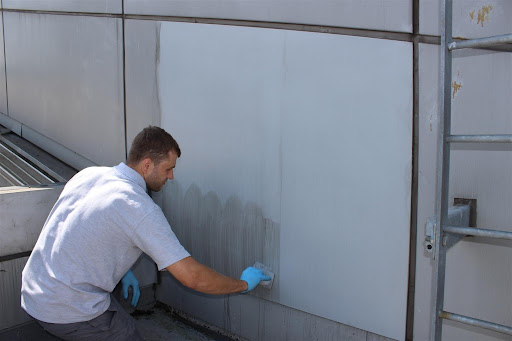
The timing and frequency of cladding maintenance can greatly impact its effectiveness. Overdue cleaning may allow dirt, mould, and other contaminants to settle deeply, making removal more difficult. On the other hand, excessive cleaning or using harsh techniques could harm the cladding.
Establish a maintenance schedule that suits the material and environmental conditions. For instance, a semi-annual cleaning might suffice for some buildings, while others may need quarterly attention. Regular inspections in between cleaning sessions can help identify issues early, preventing minor problems from escalating.
4. Choosing the Right Cleaning Method
The method of cleaning plays a critical role in maintaining the integrity of your cladding. High-pressure washing, for example, may work well for durable materials but could damage softer finishes. Similarly, using abrasive chemicals can strip protective coatings or cause discolouration.
Opt for cleaning methods that are gentle yet effective. Techniques like soft washing or using eco-friendly cleaning solutions are often ideal for cladding. Professional services can assess your building and recommend the safest, most effective approach to preserve your cladding’s appearance and functionality.
Taking these factors into account when planning cladding maintenance ensures your building remains durable, attractive, and efficient. By understanding your material, considering environmental factors, and using the right methods, you’ll safeguard your investment for years to come.